+86 198 0337 5938
+86 198 0337 5938
Jan. 14, 2026
As makeup brush design continues to evolve, handle material has become a key consideration for both brands and consumers. Beyond aesthetics, the choice between wood and metal makeup brush handles directly impacts sustainability, durability, ergonomics, and overall brand positioning.
In 2025, as eco-conscious purchasing and premium product experiences converge, understanding the advantages and limitations of each handle material is essential. This article provides a clear, side-by-side analysis of wood vs. metal makeup brush handles, helping brands and buyers make informed decisions.
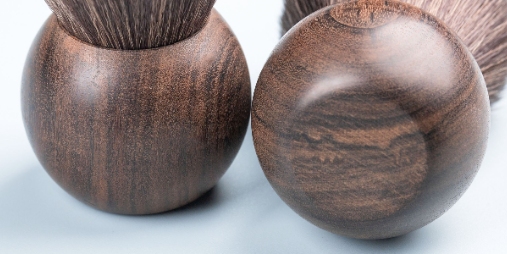
1. Natural and Premium Aesthetic
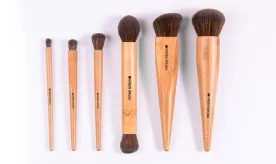
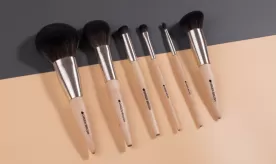
Wood handles offer a warm, organic appearance that aligns well with clean beauty, natural skincare, and sustainable brand identities. They convey craftsmanship and authenticity, especially when paired with matte finishes.
2. Sustainability and Environmental Appeal
When sourced responsibly (e.g., FSC-certified wood or bamboo), wood handles are renewable and biodegradable, making them a strong choice for ESG-driven brands.
3. Lightweight and Comfortable Grip
Wood handles are generally lightweight and provide a balanced feel, reducing hand fatigue during prolonged makeup application.
4. Customization Flexibility
Wood can be painted, lacquered, engraved, or left in its natural grain, allowing brands to create distinct visual identities.
1. Sensitivity to Moisture
Without proper sealing, wood can absorb moisture over time, potentially affecting durability in humid environments.
2. Slight Variations in Texture and Color
Natural materials inherently vary, which may pose challenges for brands seeking absolute uniformity in large-scale production.
3. Lower Impact Resistance Compared to Metal
Wood handles may be more prone to dents or surface wear if dropped repeatedly.
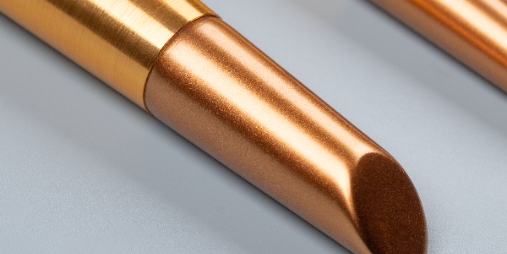
1. High Durability and Longevity
Metal handles—commonly aluminum or stainless steel—are resistant to cracking, warping, and long-term wear, making them ideal for professional-grade brushes.
2. Sleek, Modern Appearance
Metal delivers a refined, contemporary look often associated with luxury or professional makeup brands.
3. Excellent Moisture and Chemical Resistance
Metal handles are unaffected by water exposure and frequent cleaning, enhancing hygiene and lifespan.
4. Recyclability and Circular Economy Benefits
Aluminum, in particular, is highly recyclable and can be reused with minimal material degradation, supporting sustainable manufacturing goals.
1. Heavier Weight
Metal handles are generally heavier than wood, which may affect comfort for some users during extended use.
2. Higher Production Costs
Precision machining, anodizing, or electroplating processes can increase unit costs compared to standard wood handles.
3. Less “Natural” Brand Perception
While recyclable, metal may not visually align with brands emphasizing organic or nature-inspired aesthetics.
The choice between wood and metal makeup brush handles depends largely on brand positioning and target market:
Eco-conscious, natural, or clean beauty brands often favor wood or bamboo handles to reinforce sustainability messaging.
Professional, luxury, or performance-driven brands tend to choose metal handles for their durability, precision, and modern appeal.
Hybrid solutions—such as wooden handles with recycled aluminum ferrules—are increasingly popular, balancing aesthetics, performance, and sustainability.
In 2026, the makeup brush industry is moving toward material transparency and lifecycle responsibility. Brands are expected to clearly communicate sourcing, recyclability, and environmental impact—regardless of whether they choose wood or metal.
Rather than a one-size-fits-all answer, the most successful brands select handle materials that align with their values, user experience goals, and long-term sustainability strategy.
Both wood and metal makeup brush handles offer distinct advantages—and inevitable trade-offs. Wood emphasizes warmth, sustainability, and lightweight comfort, while metal excels in durability, hygiene, and premium performance.
Understanding these differences allows brands to make strategic decisions that strengthen product positioning, enhance user experience, and meet the growing expectations of today’s conscious beauty consumers.
Leave a Message