+86 198 0337 5938
+86 198 0337 5938
Jan. 15, 2026
As sustainability becomes a defining factor in the global beauty industry, makeup brush components—once considered secondary—are now under close scrutiny. Among them, brush handle materials play a critical role in a product’s overall environmental footprint. But are sustainable brush handle materials truly better for the environment, or are they simply a marketing trend?
This article examines the environmental impact of sustainable brush handle materials, comparing them with conventional options and explaining how they contribute to long-term ecological responsibility.
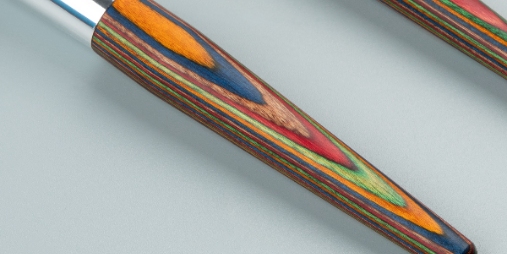
Sustainable brush handle materials are typically defined by one or more of the following characteristics:
Derived from renewable or responsibly managed resources
Manufactured with lower energy consumption
Recyclable, biodegradable, or compostable at end of life
Reduced reliance on virgin fossil-based plastics
Traceable supply chains that support ESG compliance
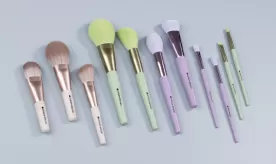
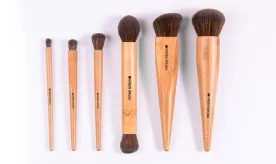
Common sustainable materials include FSC-certified wood, bamboo, recycled aluminum, and bio-based composites.
Traditional plastic handles rely on non-renewable petroleum resources and require energy-intensive manufacturing. In contrast:
Wood and bamboo are renewable when responsibly sourced
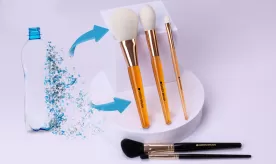
Recycled aluminum significantly reduces the need for raw material extraction
Bio-based materials lower dependence on fossil fuels
This shift reduces pressure on finite natural resources.
Sustainable materials generally result in lower carbon emissions:
Recycled aluminum uses up to 90% less energy than primary aluminum production
Bamboo grows rapidly and absorbs carbon dioxide during cultivation
FSC-certified wood supports managed forestry that balances harvesting and regeneration
When combined with optimized manufacturing processes, sustainable handles help reduce overall product carbon footprints.
One of the biggest environmental challenges in the beauty industry is waste. Sustainable brush handles offer clear advantages:
Biodegradable handles decompose naturally under appropriate conditions
Recyclable metal handles support circular material systems
Reduced microplastic pollution compared to traditional plastics
By contrast, conventional plastic handles often end up in landfills or the natural environment, where they persist for decades.
A common concern is whether eco-friendly materials compromise product lifespan. In practice:
Properly treated wood and bamboo offer excellent durability
Recycled aluminum matches virgin aluminum in strength and stability
Modern bio-composite materials are engineered for structural integrity
Longer product lifespan itself is an environmental benefit, as it reduces replacement frequency and resource consumption.
While sustainable materials offer real environmental advantages, effectiveness depends on responsible implementation. Brands should ensure:
Material certifications are legitimate and traceable
Sustainability claims are supported by data, not vague marketing terms
Entire product systems—including ferrules, adhesives, and coatings—are evaluated
True sustainability goes beyond material selection and includes supply chain accountability and lifecycle thinking.
For brands aligned with ESG principles, sustainable brush handle materials support:
Environmental compliance with global regulations
Improved brand credibility and consumer trust
Easier integration into responsible retail and distribution channels
Long-term cost efficiency through material circularity
As consumers increasingly evaluate beauty products through an environmental lens, sustainable design choices become a strategic necessity rather than an optional upgrade.
So, are sustainable brush handle materials better for the environment?
In most cases, yes—when responsibly sourced, properly manufactured, and transparently communicated.
By reducing resource depletion, lowering carbon emissions, and minimizing end-of-life waste, sustainable brush handle materials represent a meaningful step toward a more environmentally responsible beauty industry. As 2025 approaches, they are no longer a niche solution, but a foundational element of modern makeup brush design.
Leave a Message