+86 198 0337 5938
+86 198 0337 5938
Oct. 14, 2026
For beauty retailers, developing a private label makeup brush collection is an opportunity to offer more than another beauty accessory. It allows retailers to create products that reflect their brand identity, complement their existing cosmetics assortment, and provide customers with a more cohesive shopping experience.
However, a successful private label collection requires more than placing a logo on an existing brush. Retailers need to consider product positioning, design differentiation, price architecture, packaging, and manufacturing feasibility before moving into production.
Working with an experienced custom makeup brush manufacturer can help turn these requirements into a coordinated product collection.
Before selecting brush shapes or handle colors, define the customers your collection is intended to serve.
A beauty retailer serving professional makeup enthusiasts may prioritize precision, performance, and durability. A retailer targeting everyday makeup users may focus on versatility, ease of use, and practical brush sets. A premium beauty retailer may place greater emphasis on refined materials, distinctive finishes, and presentation.
These differences should influence the entire development process.
Consider the following questions:
Who is the primary customer for the collection?
What retail price range does the customer expect?
Will the brushes be sold individually or in sets?
Will the collection complement existing makeup products?
What makes the retailer's brand different from competing beauty retailers?
A clearly defined customer profile gives the manufacturer a practical starting point for recommending suitable materials, brush structures, finishes, and packaging.
A private label collection does not need to include every possible brush type from the beginning. A carefully planned assortment can be more effective than a large collection without a clear product strategy.
Retailers can consider three complementary product groups.
These products address common makeup application needs, such as foundation, powder, blush, and eyeshadow blending.
They are suitable for building an accessible entry point into the collection and helping customers discover the retailer's own brand.
More targeted products, such as precision concealer brushes, angled contour brushes, detailed eyeshadow brushes, and lip brushes, can serve customers with specific application preferences.
These products can also help retailers expand the collection over time.
Brush sets provide an opportunity to combine complementary products into a single retail offering.
A set might be designed for everyday makeup, complexion application, eye makeup, travel, or professional use. The number of brushes, storage format, and packaging should reflect the intended customer and price position.
The objective is to create a logical assortment in which individual products and sets support one another.
For private label retailers, customization should serve a clear branding purpose.
A brush collection can be differentiated through several design elements:
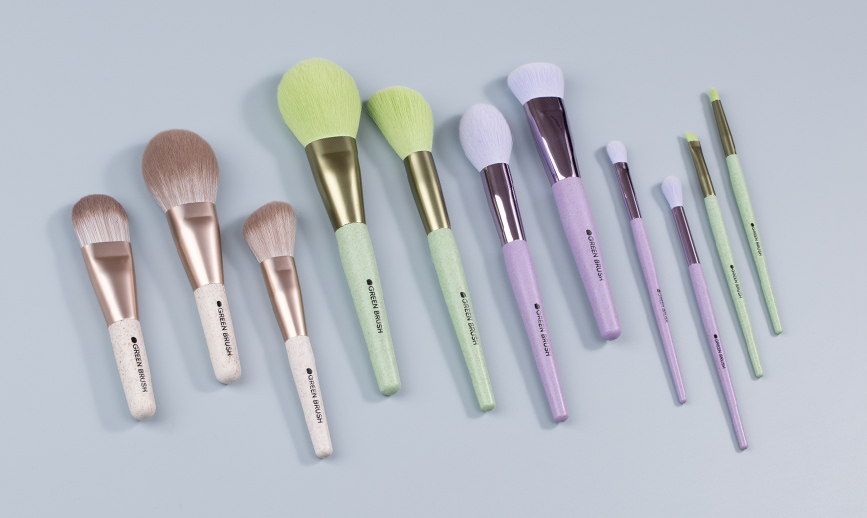
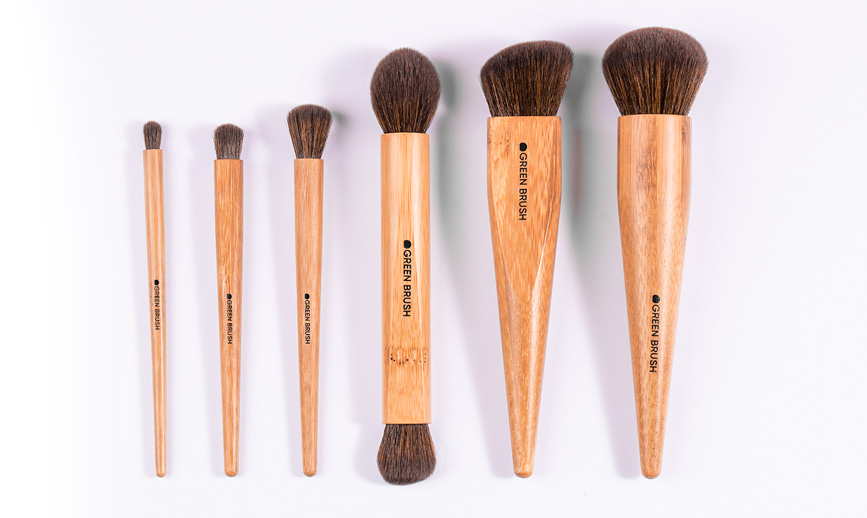
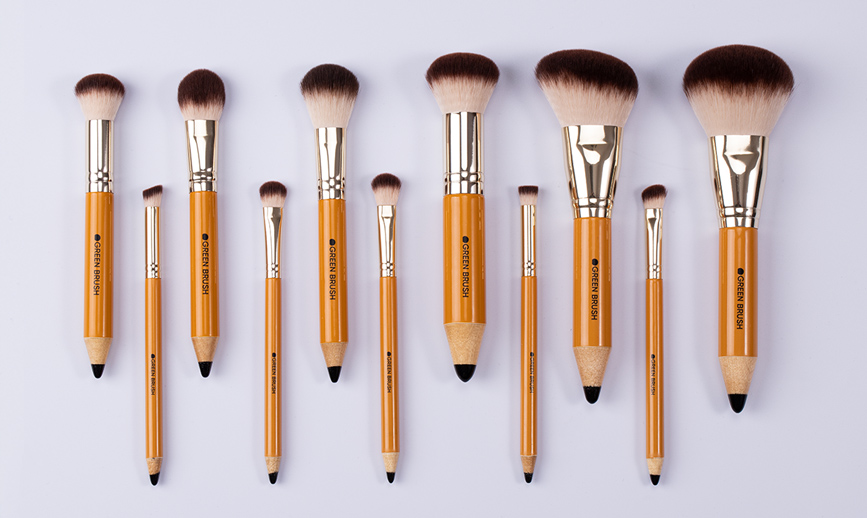
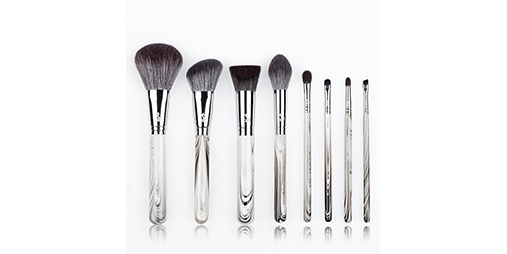
Handle shape, material, color, and surface finish influence how a collection looks and feels. A retailer may choose a consistent visual language across the range or develop distinct designs for different product tiers.
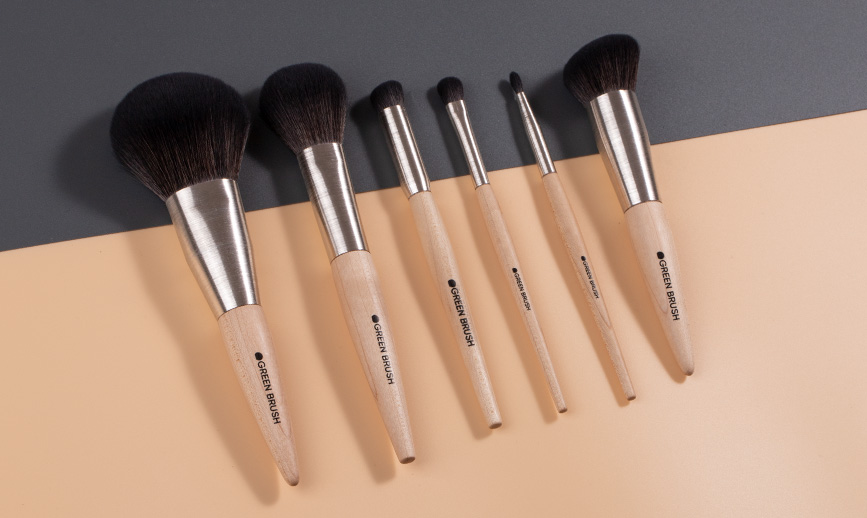
The ferrule connects the brush head and handle while contributing to the product's overall appearance. Its finish and color can be coordinated with the handle and other products in the retailer's assortment.
Fiber material, density, shape, length, and dimensions influence the brush's application characteristics. These specifications should be selected according to the intended makeup products and user experience.
Logo placement, printing methods, product labels, gift boxes, sleeves, and storage bags can help establish a recognizable collection.
Not every component needs to be completely new. The most effective approach is to identify which design elements contribute most to brand differentiation and allocate development resources accordingly.
Retailers often serve customers with different budgets and expectations. A private label brush collection can reflect this through a structured product range.
An entry-level range may emphasize essential functionality and straightforward packaging. A mid-range collection may introduce coordinated colors, upgraded materials, and more specialized brush shapes. A premium range may focus on refined finishes, distinctive handles, carefully selected fibers, and elevated presentation.
The important point is that the design, materials, packaging, and manufacturing requirements should support the intended retail position.
A premium appearance alone cannot replace consistent brush performance. Likewise, adding expensive decorative features does not automatically create a better product.
A strong collection balances perceived value, practical functionality, and production feasibility.
Packaging influences how a brush collection is presented in stores, on e-commerce product pages, and during delivery to the customer.
Depending on the retail channel, options may include individual boxes, coordinated set packaging, reusable pouches, protective sleeves, or gift-oriented presentation.
Retailers should also consider how the products will be displayed, stored, shipped, and replenished.
For example, a collection intended for physical retail may require packaging that clearly communicates the product type and supports shelf presentation. An e-commerce-focused collection may place greater emphasis on shipping protection, compact packaging, and a strong unboxing experience.
Packaging should be planned alongside the product rather than treated as a final detail.
A visually appealing concept must also be practical to manufacture repeatedly.
Before approving a collection, retailers should review the proposed brush specifications, materials, component availability, customization requirements, packaging, order quantities, and expected production schedule with their manufacturing partner.
It is also important to evaluate the collection as a complete project.
For example, using the same handle platform across several brush types may help create a consistent visual identity while reducing unnecessary design complexity. Different brush heads and sizes can then provide functional variety within the collection.
More distinctive designs may require additional development, tooling, or sampling. These requirements should be discussed early so the retailer can make informed decisions about cost, timing, and product differentiation.
Launching the first collection is only one stage of a private label program. Retailers also need a practical process for evaluating samples, approving specifications, managing production, and placing repeat orders.
Before bulk production, the retailer and manufacturer should agree on the approved sample and document the important product characteristics, including dimensions, colors, materials, logo placement, and packaging requirements.
Clear specifications help both parties evaluate subsequent production against the same reference.
When the collection performs well, the retailer can expand it through additional brush types, coordinated sets, seasonal packaging, or new colorways without rebuilding the entire product concept.
Developing a differentiated private label collection requires coordination between retail strategy, product design, material selection, packaging, and manufacturing.
GREEN BRUSH provides OEM/ODM customization for makeup brush brands and other beauty businesses, with options covering brush materials, shapes, sizes, handles, ferrules, logos, and packaging.
Whether you are developing an initial assortment or expanding an established retail brand, a well-defined product brief can help transform your concept into a practical manufacturing project.
Ready to develop your private label makeup brush collection?
Share your target customer, preferred product styles, retail positioning, estimated order quantity, and packaging requirements with GREEN BRUSH to discuss a customized solution.
Previous: None
Next: What Makes a Makeup Brush Suitable for Large-Scale Private Label Production?
Leave a Message