+86 198 0337 5938
+86 198 0337 5938
If you have sensitive skin, choosing the right makeup brush is just as important as selecting gentle cosmetics. The wrong brush can trigger redness, irritation, breakouts, or even allergic reactions. This guide will help you understand which makeup brushes are best for sensitive skin and how to use them safely for everyday makeup application.
Sensitive skin has a weakened barrier and reacts more easily to friction, bacteria, and harsh materials. Makeup brushes that are too rough, poorly constructed, or unhygienic can worsen these issues by:
Causing micro-abrasions on the skin
Trapping bacteria and makeup residue
Increasing redness and inflammation
Triggering itchiness or stinging sensations
Choosing the right brush can significantly improve comfort, makeup finish, and overall skin health.
Synthetic Bristles Are Often the Best Choice
For sensitive skin, high-quality synthetic bristles are generally recommended:
Extremely soft and uniform in texture
Less likely to cause allergic reactions
Do not absorb as much product, oil, or bacteria
Easier to clean and dry faster
Modern synthetic fibers are designed to mimic natural hair while offering better hygiene and consistency, making them ideal for delicate skin types.
Natural Hair: Use With Caution
Natural hair brushes can be soft, but they may not be suitable for everyone with sensitive skin because:
Hair cuticles can create friction
Animal hair may trigger allergies
They retain moisture and product more easily
If you choose natural hair brushes, ensure they are ultra-soft and cleaned very frequently.
A well-constructed brush should feel plush, not scratchy.
Dense bristles help distribute product evenly without repeated strokes
Flexible fibers adapt to facial contours, reducing pressure on the skin
Avoid brushes that feel stiff or “pokey” when pressed lightly
For sensitive skin, the brush should glide across the face rather than drag.
Using the wrong brush for a specific formula can increase friction and irritation.
Best Brush Types for Sensitive Skin
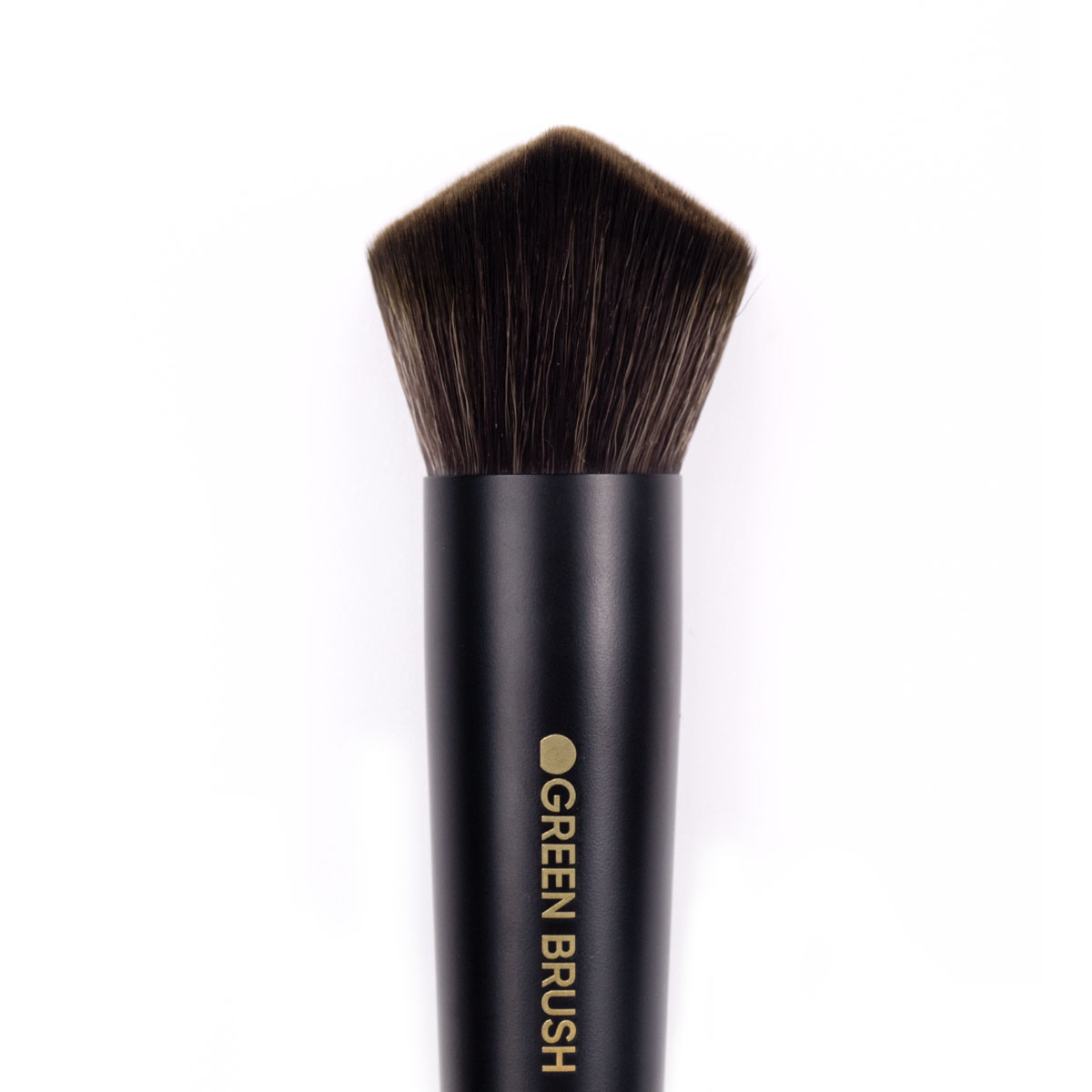
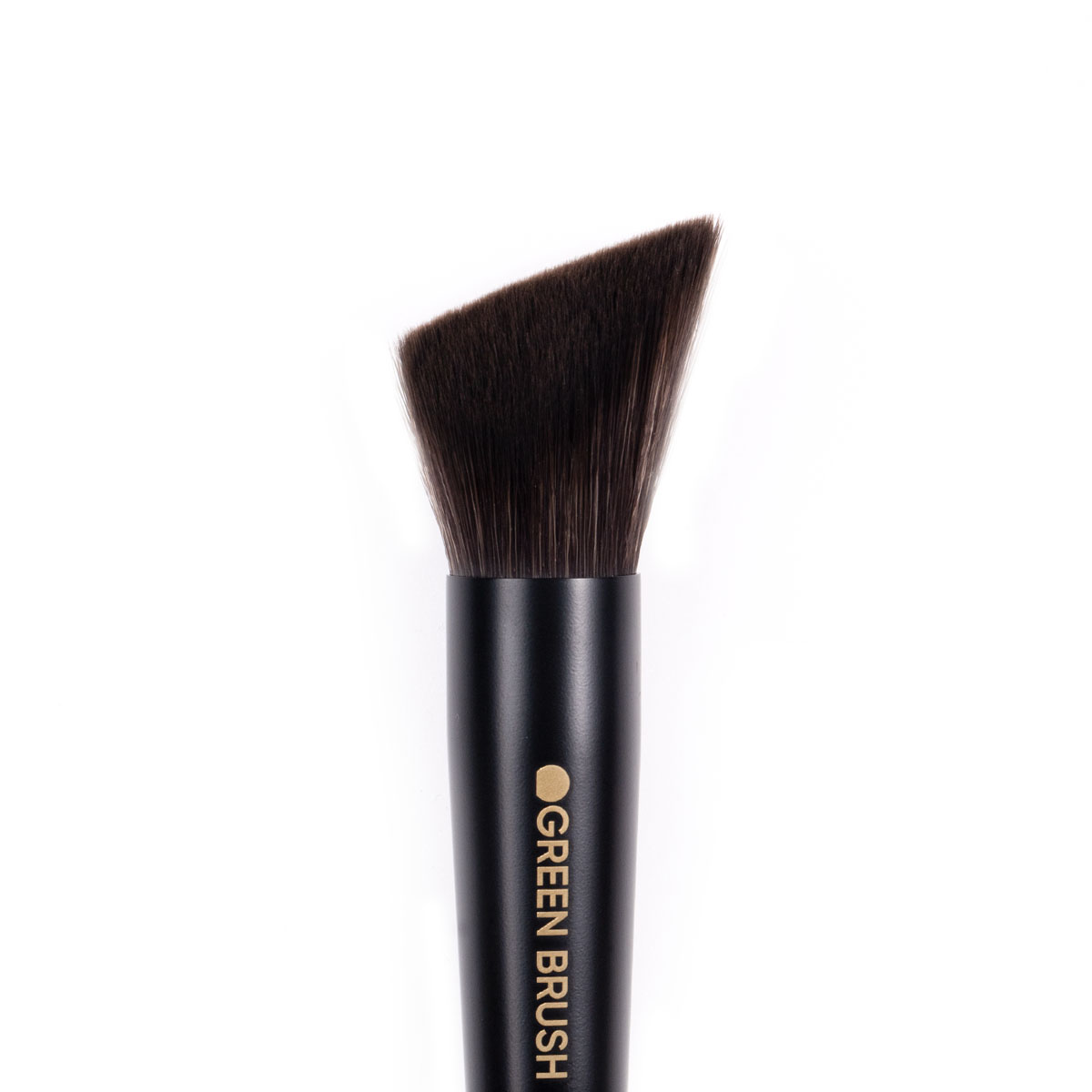
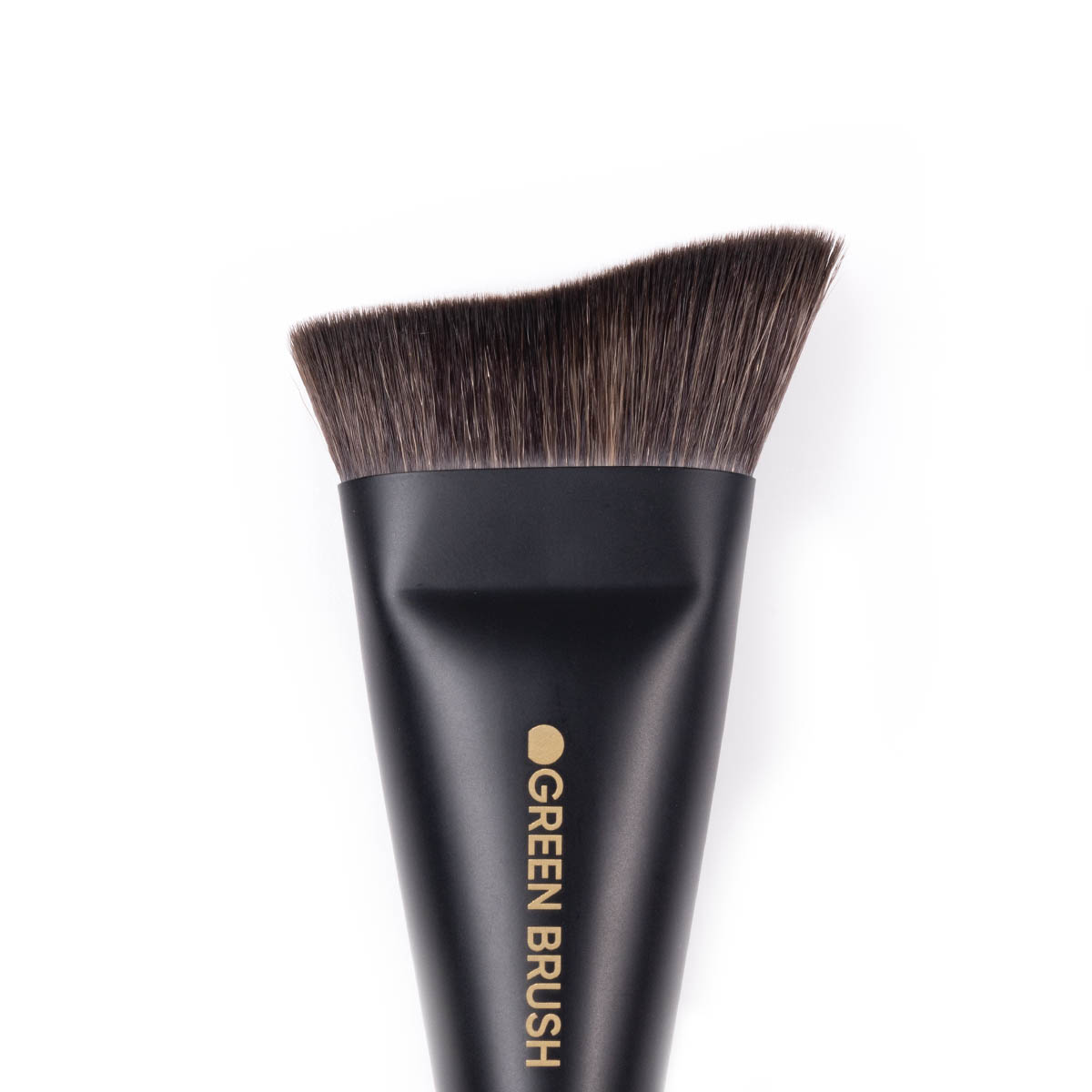
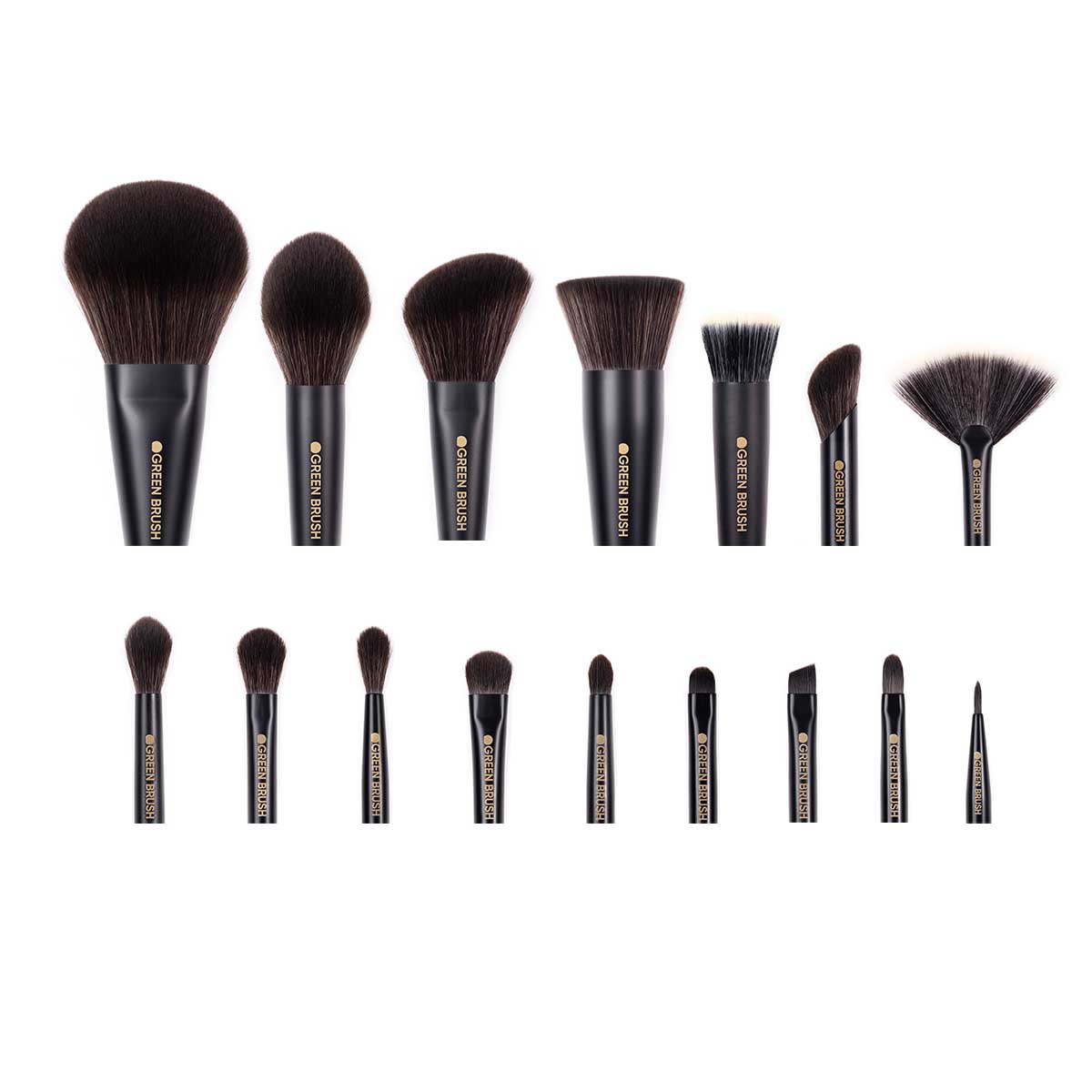
Foundation: Flat-top or rounded synthetic foundation brushes for gentle buffing
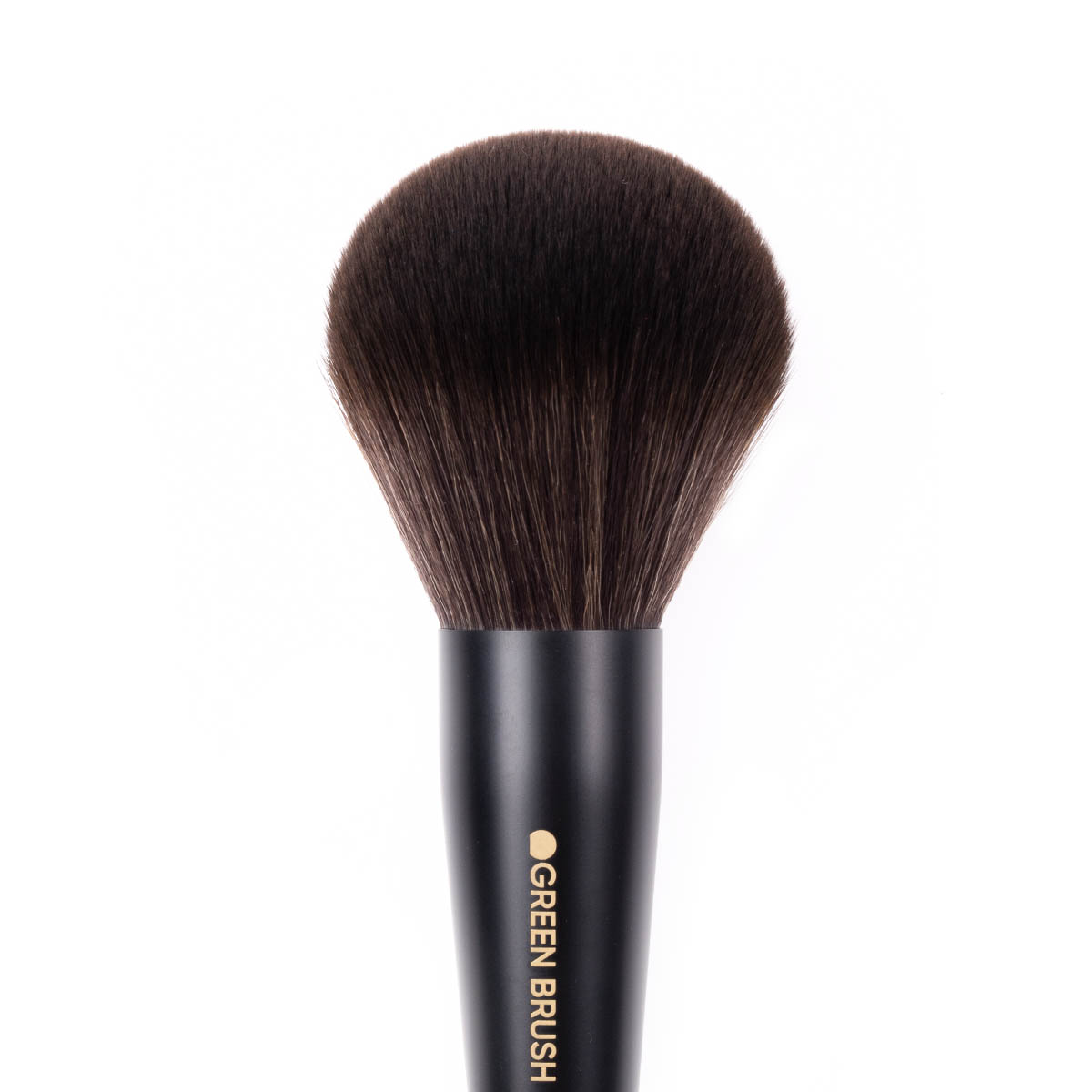
Powder: Large, fluffy powder brushes with soft tips
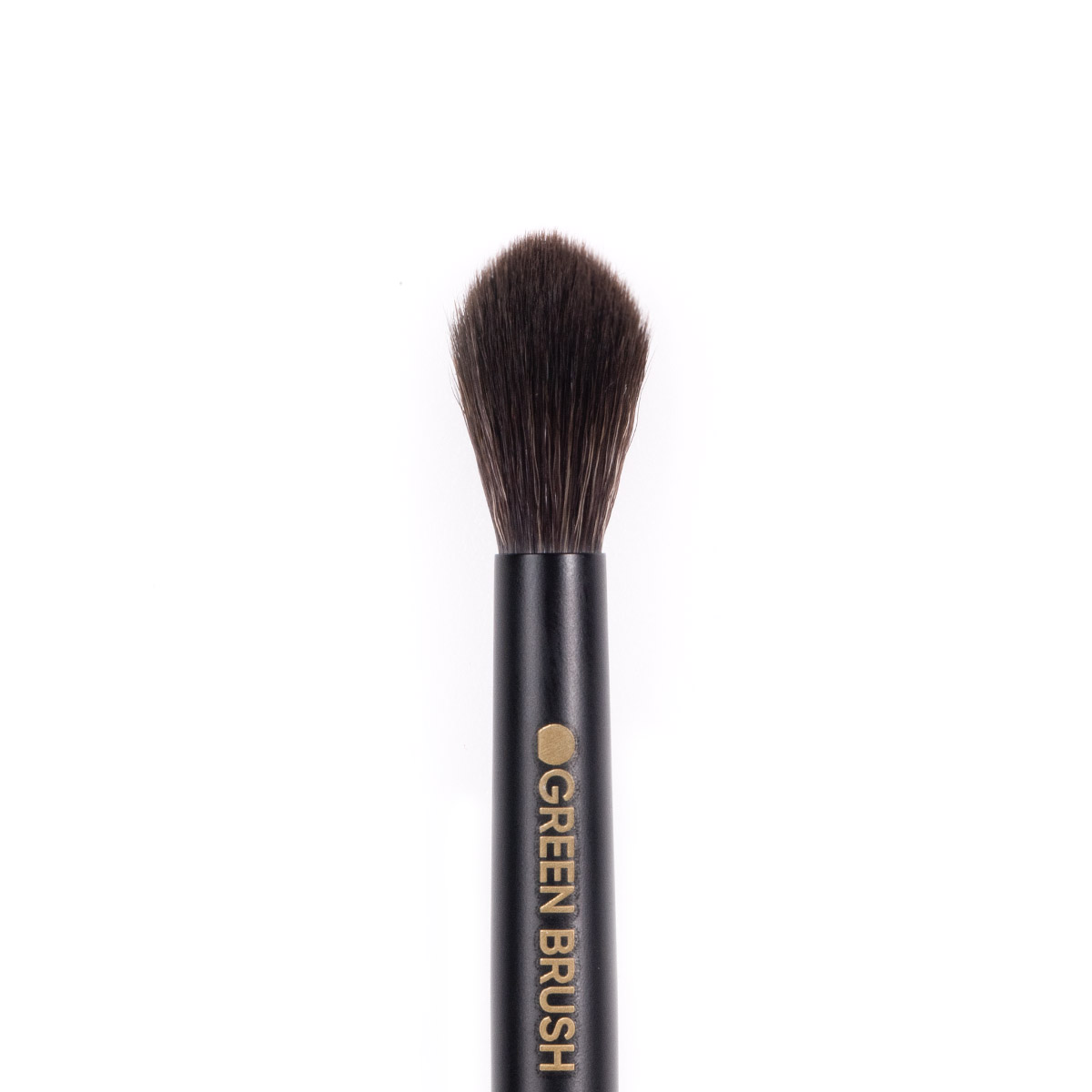
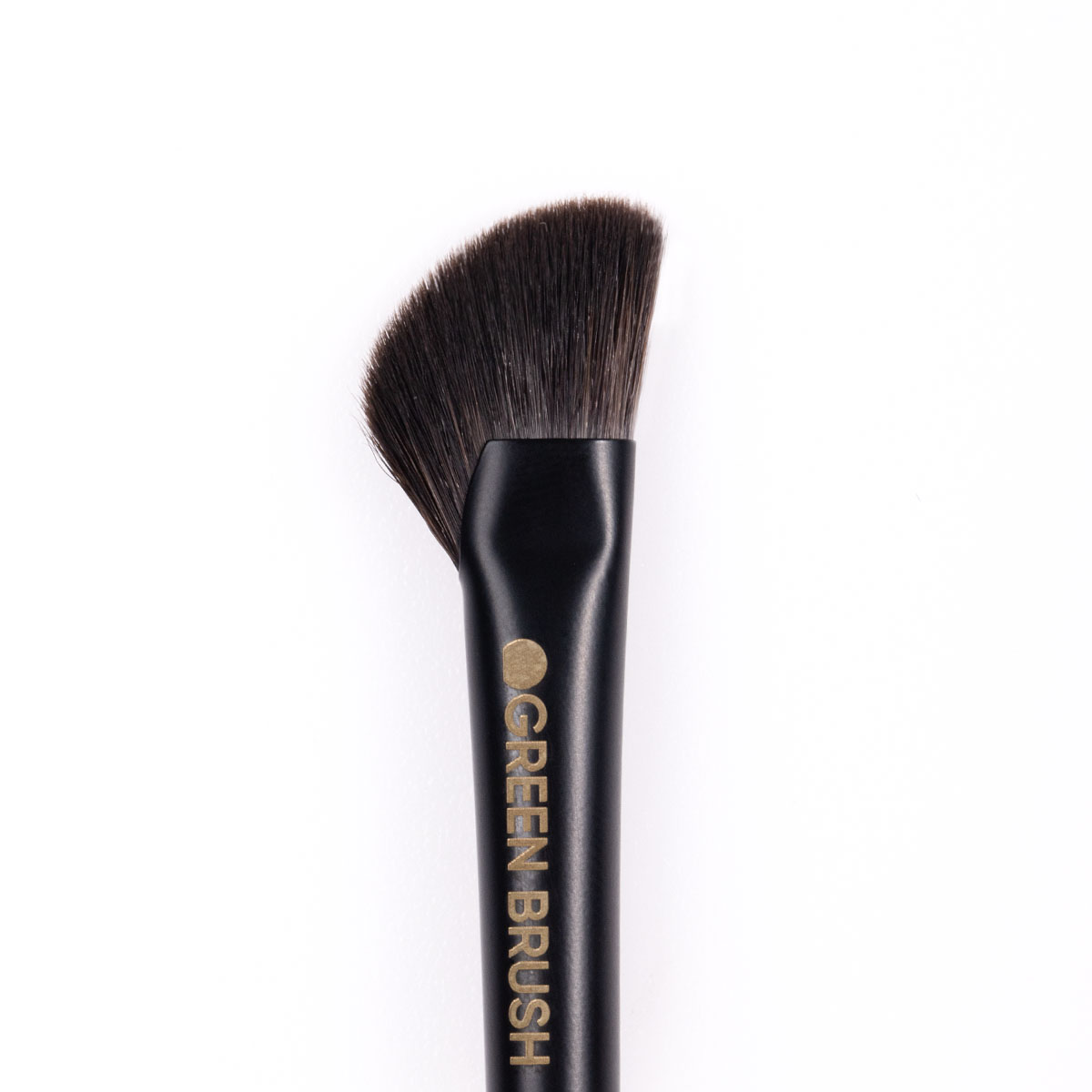
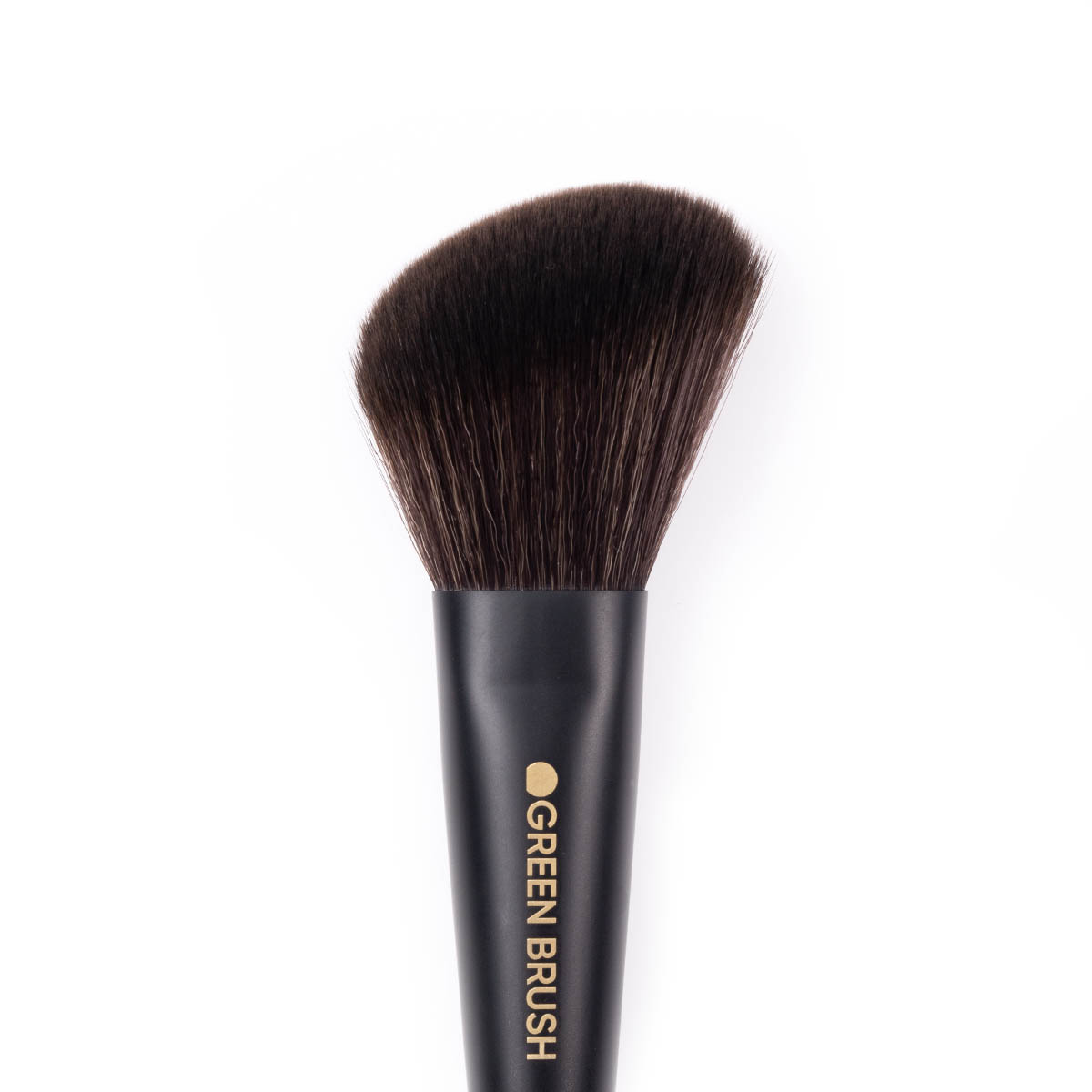
Blush & Bronzer: Medium-sized tapered brushes for controlled application
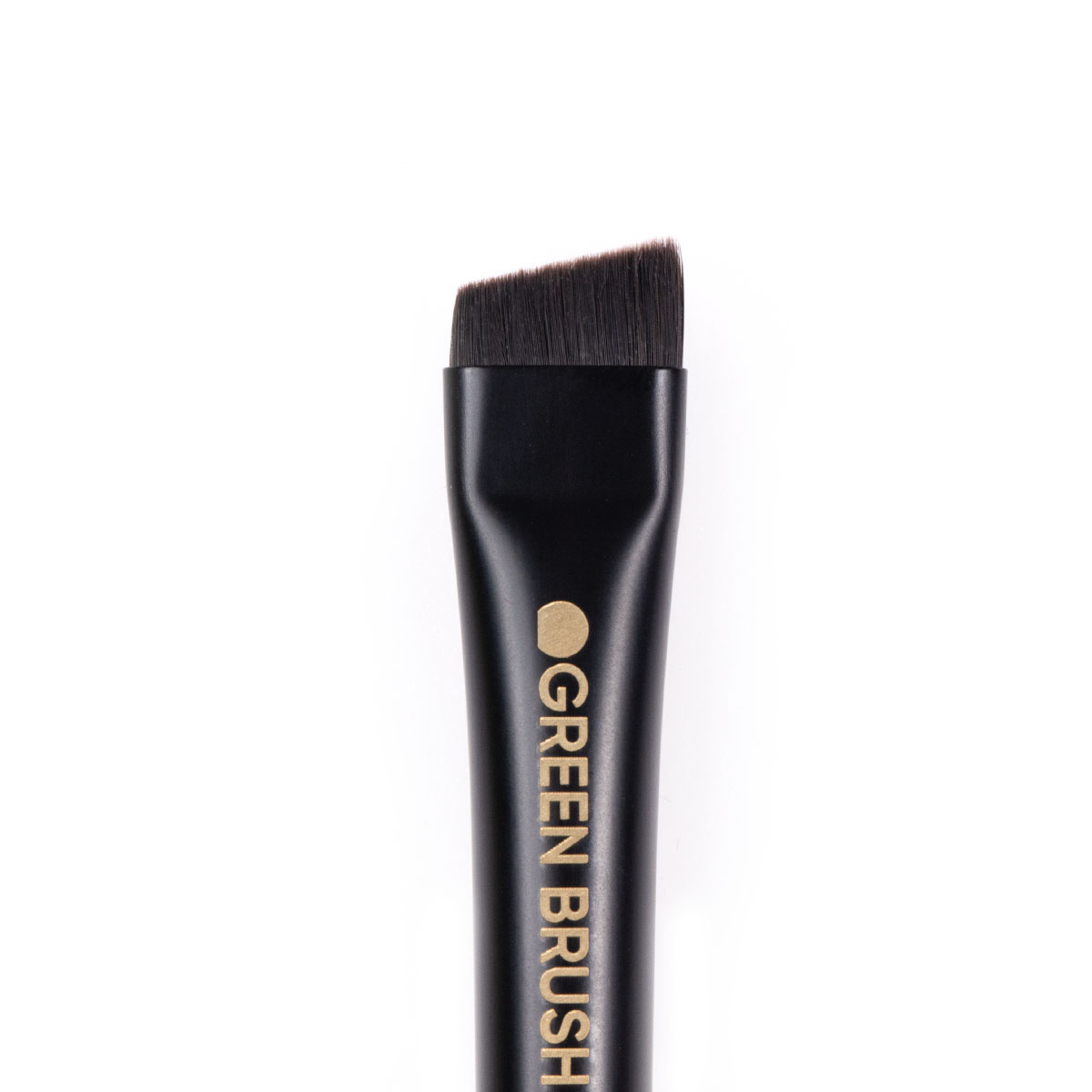
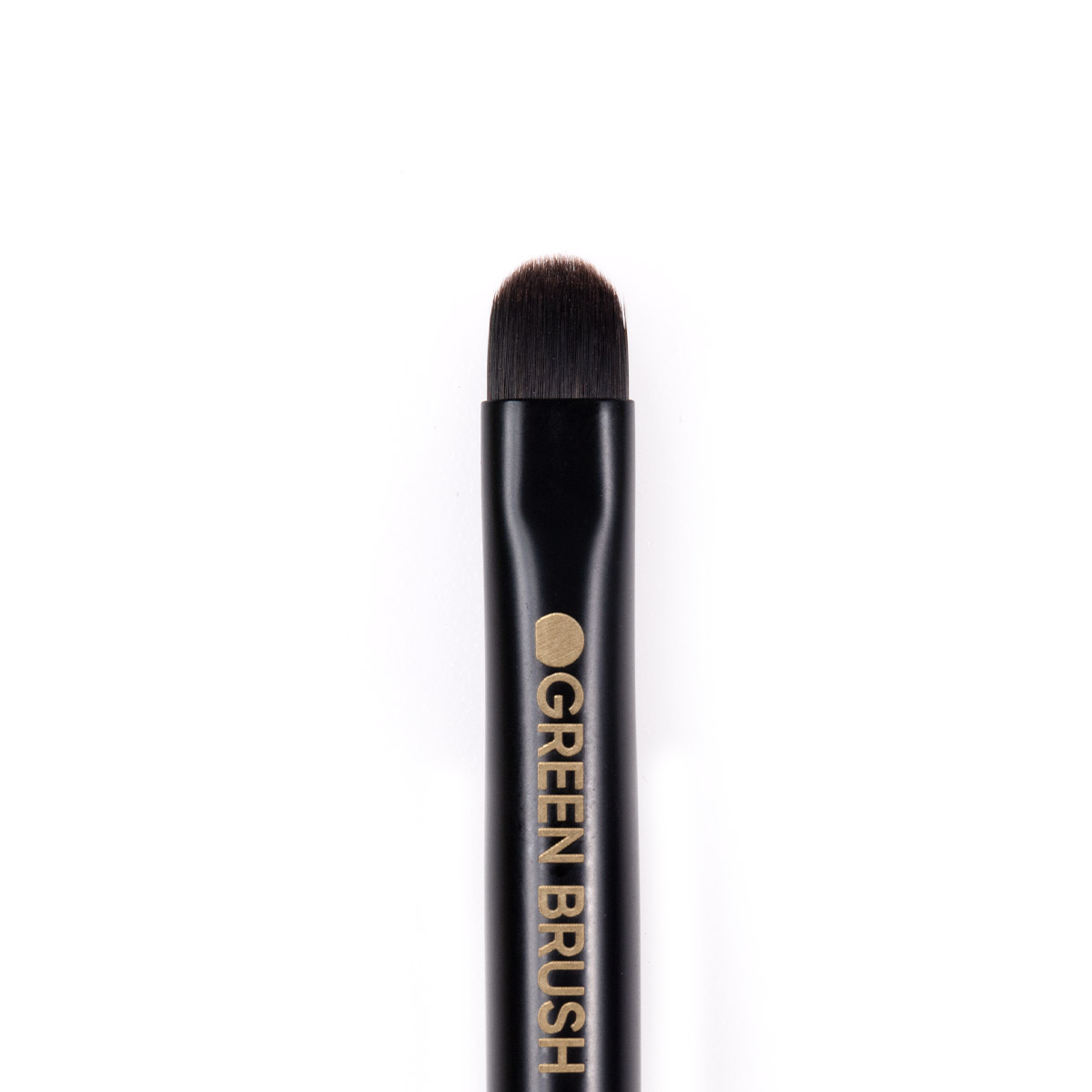
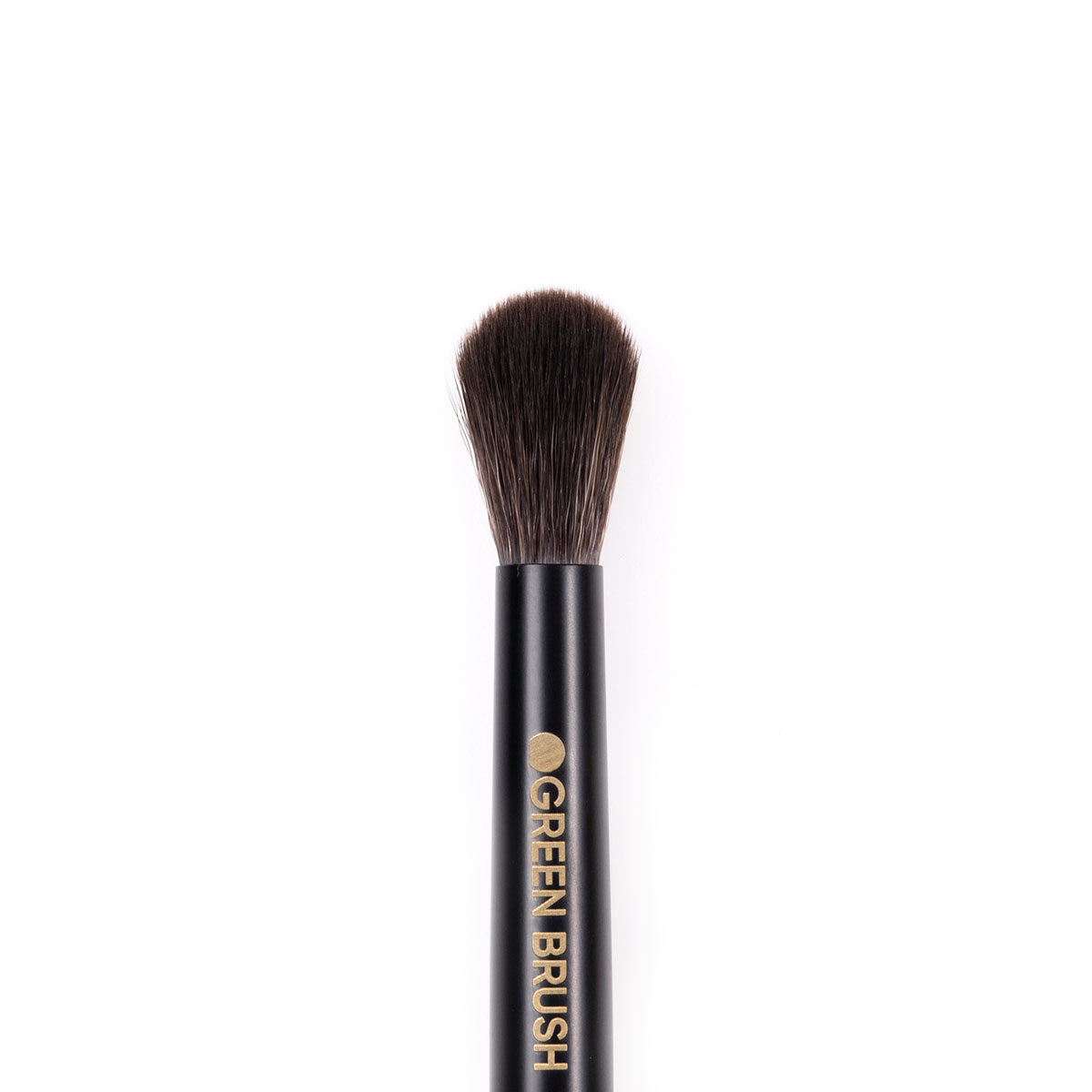
Eyeshadow: Small, soft blending brushes instead of stiff shader brushes
Avoid overly compact or harsh brushes that require heavy pressure to blend.
Sensitive skin users often overlook brush construction details:
Seamless or well-finished ferrules prevent loose bristles from shedding onto the face
Lightweight handles allow better control and less pressure
Balanced brush design reduces hand fatigue and excessive force
Poorly assembled brushes can shed or scratch, which is especially problematic for reactive skin.
For sensitive skin, brush hygiene is non-negotiable.
Choose brushes that are easy to clean thoroughly
Synthetic brushes are preferable because they resist product buildup
Wash brushes regularly with a mild, fragrance-free cleanser
Dirty brushes are a common cause of irritation, acne, and skin flare-ups.
When using makeup brushes on sensitive skin, avoid:
Pressing too hard during application
Using old, frayed, or shedding brushes
Sharing brushes with others
Applying makeup with damp or unclean brushes
Gentle technique matters just as much as brush quality.
Before fully committing to a brush:
Lightly sweep it across the inside of your wrist or jawline
Check for itching, redness, or discomfort
Use minimal pressure to assess softness
If it feels irritating without product, it will likely irritate your face as well.
Final Advice for Sensitive Skin Users
The best makeup brush for sensitive skin should be:
Soft, smooth, and non-abrasive
Made with high-quality synthetic fibers
Designed for the specific product you are using
Investing in the right brushes can reduce irritation, improve makeup results, and help maintain long-term skin comfort.
Contact Us
Related Keywords
Denim CollectionConnections and Differences Between Makeup BrushesLooking for High-Quality Makeup Brush Manufacturers? Don’t Miss GREEN BRUSH!Top 5 Reasons to Choose Bamboo Makeup BrushesEssential Eye Brushes for BeginnersDifferent Styles of Makeup Brush Packaging: Find the Perfect Fit for Your BrandThe Process of Custom Your makeup brushesTop Materials for Custom Makeup Brush Handles in 2024Taklon Fiber: Elevating Custom Makeup Brush DesignThe Great Ferrule Face-Off: Brass vs. Aluminum in Makeup BrushesA Guide to Makeup Brushes with Names and UsesWhat is a Kabuki Makeup Brush?How to Use a Concealer Brush for Beginners: A Step-by-Step GuideHow to Create Your Private Label Makeup BrushGREEN BRUSH: Private Label Makeup Brushes WholesaleSafe and Fun Makeup Brushes for Kids: What to Look ForThe Science Behind Antimicrobial Makeup BrushesGREEN BRUSH: Antimicrobial Makeup Brush ManufacturerNylon Makeup Brushes - A Sustainable Choice for the Eco-Conscious Beauty EnthusiastGREEN BRUSH: Vegan Fiber Makeup Brush ManufacturerCangzhou, Hebei: World's Largest Handmade Makeup Brush Production HubDiscover the Ultimate Destination for Bulk Makeup Brush Purchases: Green BrushThe Best Way to Dry Your Makeup BrushesGREEN BRUSH: FSC Cosmetic Brush ManufacturerChina ODM/OEM Cosmetic Brush ManufacturerWho Invented Eyeshadow? A Journey Through the AgesEssential Tools for Cleaning Makeup BrushesSponge or Brush for Foundation: Which One Is Right for You?Foundation Brush vs. Powder Brush: What's the Difference?Which Certifications Can Verify the Quality of Makeup Brushes?What Factors Affect the Price of Makeup Brushes?What Kind of Loose Powder Brush Is Suitable for Different Face Shapes?Cultural Influences on Makeup Brushes: Design and Regional PreferencesWhat Are Makeup Brushes Made from Recycled Materials?How Makeup Brush Sizes Are Defined: A Look Into Industry StandardsBest Ways to Soften Makeup BrushesCheap vs. Expensive Makeup Brushes: Here's What You Need to KnowCan I Share My Makeup Brushes with Other People?Consumer Behavior: Why Are Custom Makeup Brushes So Attractive?What Bacteria Grows on Makeup Brushes?How to Maintain Makeup Brushes in Different Seasons?Private Label Makeup Brushes WholesaleChina Round Powder Brush WholesaleGlobal Makeup Brush Market Status and Future Analysis Report (2025)Top 10 Best Makeup Brush Manufacturers 2025Leave a Message